

The History of the Indian Saree: A Journey Through Time, Tradition, and Timeless Style
Introduction
Few garments in the world carry as much grace, culture, and story as the Indian saree. This single piece of unstitched cloth has draped women for over 5,000 years, surviving empires, trends, and generations. It's more than fashion. It's identity, heritage, and art woven together.
At Sri Sakthi Pugazh Tex, we believe every saree tells a story. In this blog, you'll discover how the saree evolved from ancient India to becoming a global fashion icon. You'll also learn about different weaving traditions, styling tips, and how to choose the perfect saree for yourself.
Whether you're a saree lover, a bride-to-be, or someone exploring Indian culture, this journey through the history of the Indian saree will deepen your appreciation for this beautiful garment.

What Is a Saree? A Quick Overview
A saree is a long, unstitched piece of fabric, usually 5 to 9 yards, draped elegantly around the body. It is worn with a blouse (choli) and a petticoat underneath.
Unlike stitched clothing, the saree's beauty lies in its simplicity. One piece of cloth. Endless draping styles. Infinite elegance.
This flexibility is one reason sarees have stood the test of time.
The Ancient Origins of the Indian Saree
Where It All Began
The word "saree" comes from the Sanskrit word "sati," meaning a strip of cloth. Historical evidence suggests that women in the Indus Valley Civilization, around 2800–1800 BCE, wore draped garments similar to today's saree.
Ancient sculptures and cave paintings, such as those found in Ajanta, show women wearing garments that closely resemble modern sarees.
The Vedic Influence
During the Vedic period, clothing symbolized purity and simplicity. Unstitched garments were considered spiritually pure because stitching was thought to puncture the fabric's natural sanctity.
This belief helped the saree remain unstitched even today, a tradition still followed in many temples and religious ceremonies across India.
Evolution of the Saree Through the Centuries
Mughal Era Influence
During the Mughal period, Indian textiles flourished. Rich fabrics, intricate embroidery, and royal patterns emerged. Brocade weaving and zari work became popular, laying the foundation for the luxurious silk sarees we see today.
British Colonial Period
During British rule, the saree became a symbol of resistance and identity. Many Indian women wore handwoven sarees to support the Swadeshi Movement, encouraging local textile production over imported British fabric.
Post-Independence Revival
After independence, Indian sarees experienced a renaissance. Regional weaving styles like Banarasi, Kanjivaram, and Bengal cotton gained national recognition, celebrating India's diverse culture through fabric and design.

Regional Diversity: Sarees Across India
India's beauty lies in its diversity, and this reflects strongly in saree traditions.
- Kanjivaram Sarees (Tamil Nadu): Rich silk with temple borders, ideal for weddings
- Banarasi Sarees (Uttar Pradesh): Known for gold and silver zari work
- Bengal Cotton Sarees (West Bengal): Lightweight, breathable, and perfect for daily wear
- Chanderi Sarees (Madhya Pradesh): Sheer texture with delicate motifs
- Paithani Sarees (Maharashtra): Famous for peacock and floral designs
Each region has its own weaving technique, passed down through generations, making every saree a piece of living history.
Why the Saree Remains Timeless
Benefits of Wearing a Saree
- Suits every body type and enhances natural curves
- Offers unmatched versatility for casual, formal, and festive occasions
- Represents cultural pride and elegance
- Provides breathable comfort, especially cotton and linen sarees
- Encourages sustainable fashion through handloom weaving
Features That Make Sarees Special
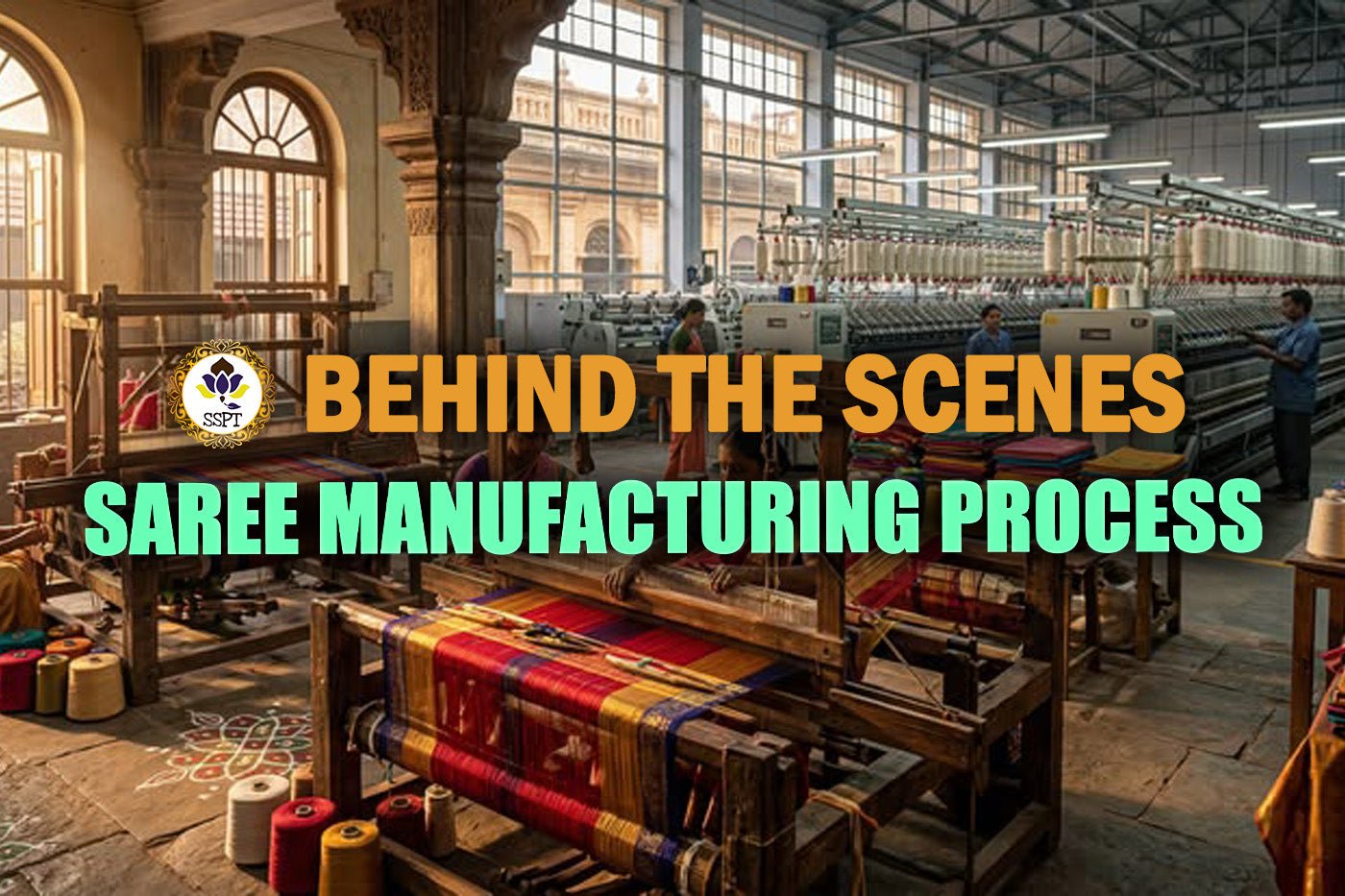
- Handwoven craftsmanship
- Natural fabrics like silk, cotton, and linen
- Region-specific designs and motifs
- Customizable draping styles
- Rich color palettes for every skin tone
Saree Buying Guide: What to Look For
Choosing the right saree can feel overwhelming with so many options available. Here's a simple guide to help you decide.
1. Choose the Right Fabric
- Silk for weddings and festive occasions
- Cotton for daily comfort and office wear
- Georgette or chiffon for parties and events
2. Check the Weave Quality
Genuine handloom sarees have slight texture irregularities, a sign of authentic craftsmanship, unlike machine-made fabrics.
3. Consider the Occasion
Match your saree style to the event: festive silk for weddings, light cotton for daily wear, and designer sarees for parties.
4. Pick Colors That Complement You
Warm skin tones look great in earthy shades, while cooler tones shine in blues, purples, and pastels.

Expert Styling Tips for Every Occasion
Here are some expert-approved styling ideas to elevate your saree game:
- Pair silk sarees with statement jewelry for weddings
- Use a belt with your saree for a modern, contemporary look
- Opt for pastel cotton sarees for daytime events
- Experiment with draping styles like Bengali or Gujarati for a unique twist
- Choose contrasting blouse colors to make your saree stand out
Common Mistakes to Avoid When Buying or Wearing a Saree
- Choosing the wrong petticoat color, which can show through light fabrics
- Ignoring blouse fitting, leading to discomfort
- Overloading with accessories, which can hide the saree's beauty
- Not considering the season or occasion
- Buying without checking fabric authenticity
Saree Care Tips: Keep It Beautiful for Years
- Store silk sarees in a cotton or muslin cloth, not plastic
- Dry clean silk sarees for the first few washes
- Iron on low heat for cotton and medium heat for silk
- Avoid direct sunlight for long durations to prevent color fading
- Fold and refold at different lines to avoid permanent creases
Saree vs. Modern Indo-Western Wear: A Quick Comparison
| Feature | Traditional Saree | Indo-Western Wear |
|---|---|---|
| Cultural Value | High | Moderate |
| Comfort | Customizable | Varies |
| Versatility | Multiple draping styles | Limited styling options |
| Occasion Suitability | Weddings, festivals, daily wear | Parties, casual outings |
| Craftsmanship | Handloom, artisan-made | Often machine-made |
While Indo-western outfits are trendy, the saree remains unmatched in elegance and cultural significance.

Explore Our Collection
Ready to experience the elegance of authentic Indian sarees? At Sri Sakthi Pugazh Tex, we bring you a curated collection celebrating India's rich weaving heritage.
- Browse our Saree Collection for the latest styles
- Discover our Silk Sarees for weddings and celebrations
- Check out our Cotton Sarees for everyday elegance
- Learn more About Us and our commitment to authentic craftsmanship
- Have questions? Visit our Contact Page
- Review our Shipping Policy and Return Policy before you shop
Frequently Asked Questions (FAQs)
1. What is the origin of the Indian saree? The Indian saree dates back over 5,000 years, with roots in the Indus Valley Civilization. It has evolved through the Vedic, Mughal, and colonial periods into the diverse styles we see today.
2. Which fabric is best for a saree? Silk is ideal for weddings and festive occasions, while cotton works well for daily wear due to its breathability and comfort.
3. How many types of sarees are there in India? India has over 100 regional saree styles, including Kanjivaram, Banarasi, Bengal cotton, Chanderi, and Paithani, each with unique weaving techniques.
4. How do I choose the right saree for my body type? Choose lighter fabrics and vertical patterns if you want a slimming effect, and opt for structured drapes for enhancing curves.
5. Can sarees be worn for casual daily wear? Yes, cotton and linen sarees are perfect for daily wear due to their comfort and breathability.
6. How should I store my silk saree to prevent damage? Wrap silk sarees in a soft cotton cloth and store them in a cool, dry place away from direct sunlight.
7. What is the difference between handloom and power loom sarees? Handloom sarees are woven manually, often with slight texture variations, while power loom sarees are machine-made, generally more uniform, and typically more affordable.
8. Are sarees suitable for weddings and festive occasions? Absolutely. Silk sarees with rich zari work, like Kanjivaram or Banarasi, are traditional choices for weddings and festivals.
Conclusion
The Indian saree is more than just clothing. It is a symbol of grace, culture, and timeless craftsmanship that has evolved for thousands of years while staying true to its roots. From ancient temples to modern runways, the saree continues to celebrate the beauty and strength of Indian women.
At Sri Sakthi Pugazh Tex, we honor this legacy by bringing you authentic, handcrafted sarees that blend tradition with contemporary style. Explore our collection today and find the perfect saree that tells your story.

Written by Sri Sakthi Pugazh Tex Elampillai

Leave a comment
This site is protected by hCaptcha and the hCaptcha Privacy Policy and Terms of Service apply.