
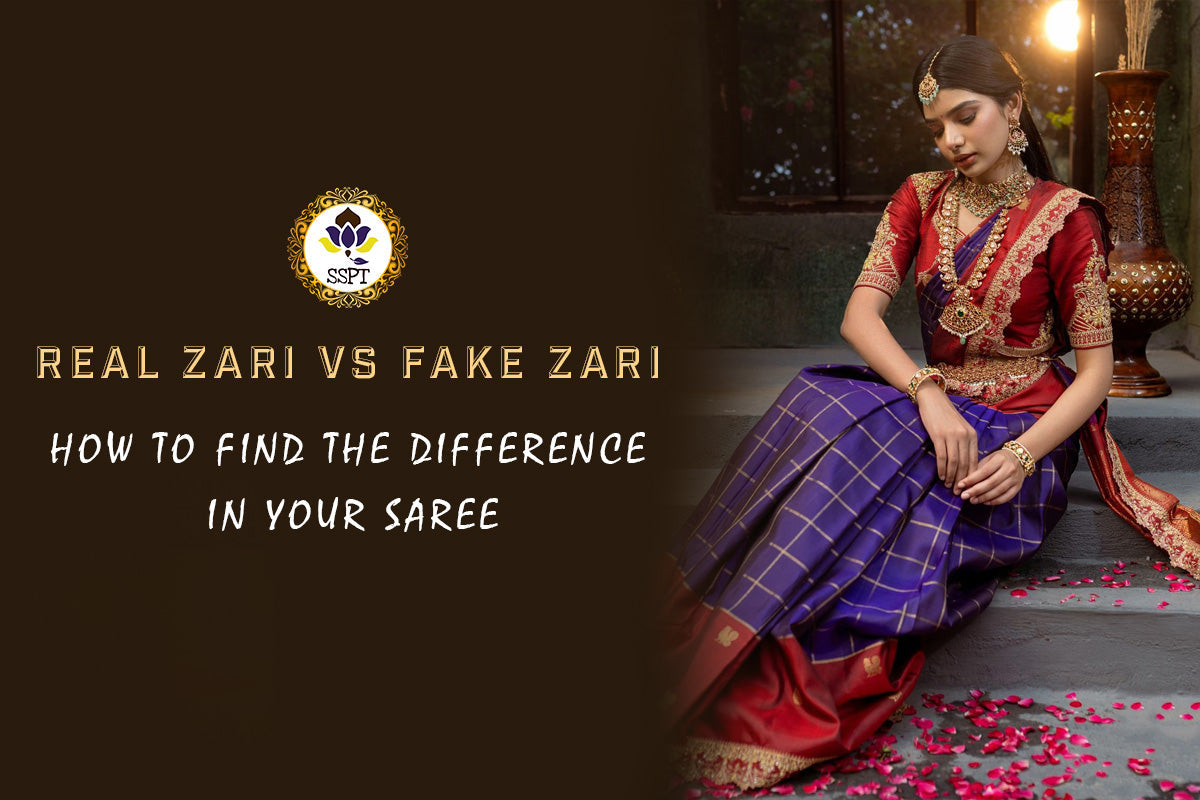
Real Zari vs Fake Zari: How to Find the Difference in Your Saree
Have you ever bought a saree that looked stunning in the store, but the shine faded after just one wash? You are not alone. Thousands of women across India face this problem every year. The reason is often simple: fake zari.
Zari is the golden or silver thread that makes a saree look rich, royal, and festive. But not all zari is created equal. Some threads are made from real gold and silver. Others are just plastic or metal coated to look shiny.
In this guide, we will help you understand real zari vs fake zari so you never get fooled again. You will learn simple tests you can do at home, common mistakes to avoid, and expert tips from Sri Sakthi Pugazh Tex, a trusted name in traditional sarees. By the end, you will shop smarter and wear your saree with pride for years to come.
What Is Zari? A Quick Introduction
Zari is a fine thread traditionally made by wrapping gold or silver metal around silk or cotton yarn. It is used to weave beautiful borders, motifs, and patterns on sarees.
There are three main types of zari used in the saree industry today:
- Pure Zari (Real Zari): Made using real gold or silver, or silver coated with gold.
- Tested Zari: A mix of silver and other metals, tested for purity.
- Imitation Zari (Fake Zari): Made from copper, plastic, or synthetic materials coated with a metallic finish.
Understanding these types is the first step in learning how to identify real zari sarees before you buy.

Why Does Real vs Fake Zari Matter?
Many women think zari is "just decoration." But the type of zari in your saree affects three important things:
1. Durability
Real zari holds its shine for decades. Fake zari tends to turn black, peel off, or fade within a few washes.
2. Value
A saree with real zari is an investment. It can be passed down through generations, unlike fake zari sarees that lose their charm quickly.
3. Skin Comfort
Genuine zari sarees are usually gentler on the skin. Synthetic zari can sometimes cause irritation, especially during long wear at weddings or festivals.
If you are buying a saree for a wedding, festival, or special family occasion, knowing the difference between real zari and fake zari can save you money and heartbreak.
Real Zari vs Fake Zari: Key Differences
Here is a simple comparison table to help you understand the difference at a glance.
| Feature | Real Zari | Fake Zari |
|---|---|---|
| Material | Gold/silver coated thread | Copper, plastic, or synthetic |
| Shine | Soft, natural glow | Overly bright, artificial shine |
| Weight | Slightly heavier | Very light |
| Price | Higher | Lower |
| Durability | Lasts for years | Fades or blackens quickly |
| Skin feel | Smooth and soft | Rough or scratchy |
| Burn test | Does not melt easily | Melts or burns fast |
7 Simple Tests to Identify Real Zari at Home
You don't need to be an expert to check your saree. Here are easy, at-home tests that even beginners can try.
1. The Rubbing Test
Gently rub the zari thread against a rough white cloth or your palm.
- Real zari: No color transfer.
- Fake zari: Golden or silver color rubs off, leaving a stain.
2. The Burn Test
Take a tiny thread from the saree's edge (usually from an extra thread near the border) and burn it carefully.
- Real zari: Burns slowly and leaves a metallic residue.
- Fake zari: Melts quickly like plastic and gives off a chemical smell.
3. The Water Test
Dip a small part of the zari thread in water for a few minutes.
- Real zari: Colour remains unchanged.
- Fake zari: Often turns dull or slightly discoloured.
4. The Weight Test
Hold the saree in your hand and feel its weight.
- Real zari sarees feel slightly heavier because of the metal content.
- Fake zari sarees feel unusually light.
5. The Shine Test
Look closely under natural sunlight.
- Real zari: Has a soft, warm, and slightly muted glow.
- Fake zari: Has a sharp, plastic-like, overly bright shine.
6. The Price Check
If a "pure zari" saree is priced too low compared to similar sarees in the market, it is likely fake. Genuine zari work requires skilled labour and costly material, so the price reflects that.
7. Ask for a Certificate or Tag
Trusted saree brands like Sri Sakthi Pugazh Tex often provide purity details or product descriptions mentioning the type of zari used. Always ask before you buy.

Common Mistakes Women Make While Buying Zari Sarees
Avoid these mistakes to protect your money and your wardrobe:
- Trusting shine alone: Bright, glittery zari is often fake. Real zari has a subtle glow.
- Ignoring the price gap: A very cheap "pure zari" saree is a red flag.
- Not checking the back side: The reverse side of real zari work usually looks neater and more even.
- Buying only from photos: Online images can be edited to look shinier. Always read product descriptions and reviews.
- Skipping care instructions: Even real zari can dull faster if washed incorrectly.
Buying Guide: How to Choose the Best Sarees with Zari Work
When you're shopping for sarees online or in-store, keep this checklist handy:
- Check the fabric type – Silk sarees with real zari are ideal for weddings and festivals.
- Look at the border and pallu closely – Genuine zari work is even and consistent.
- Read the product description – Trusted sellers mention whether zari is pure, tested, or imitation.
- Compare prices across sellers – This helps you spot unrealistic deals.
- Buy from a reputed brand – Established brands protect their reputation by offering authentic products.
- Check return and exchange policies – A trustworthy store will always offer this for peace of mind.
Care Tips to Keep Your Zari Saree Shining Longer
Whether you have real or tested zari, proper care extends the life of your saree.
- Store your saree wrapped in a soft cotton or muslin cloth, away from direct sunlight.
- Avoid folding directly on the zari border; use tissue paper to prevent friction.
- Dry clean silk sarees with zari work instead of washing them at home.
- Keep sarees away from perfume or deodorant spray, as chemicals can dull the zari.
- Air your sarees out every few months to prevent fungus in humid climates.
Styling Ideas for Your Zari Saree
A beautiful zari saree deserves the right styling to shine at every occasion.
- For weddings: Pair a rich zari-bordered silk saree with statement gold jewellery and a classic bun hairstyle.
- For festivals: Choose a medium zari-work saree with a contrast blouse for a fresh, festive look.
- For office or formal events: Opt for a subtle zari border saree in soft pastel shades for an elegant, understated look.
- For photoshoots or receptions: A heavy zari pallu saree draped in the Bengali or Gujarati style adds drama and grace.
Expert Tips from Sri Sakthi Pugazh Tex
With years of experience in traditional saree weaving and retail, here is what our experts recommend:
- Always ask the seller directly whether the zari is pure, tested, or imitation before purchase.
- For heirloom-quality sarees meant for weddings, invest in real or tested zari sarees.
- For daily wear or occasional festive wear, tested or fine imitation zari sarees are a practical and beautiful choice.
- Trust brands with transparent sourcing and years of weaving expertise, rather than unverified sellers offering "too good to be true" prices.

Explore Our Collection
Ready to experience the difference for yourself? Browse our curated range of Best Sarees featuring authentic craftsmanship and beautiful zari work. Learn more About Us and our weaving heritage, check our Shipping Policy for delivery details, or review our Return Policy for a worry-free shopping experience. Have questions? Contact Us anytime — our team is happy to help you choose the perfect saree.
Frequently Asked Questions (FAQs)
1. What is the easiest way to check real zari at home? The rubbing test and burn test are the easiest home methods. Real zari won't leave color on cloth and burns slowly with a metallic residue.
2. Is real zari always gold? Not necessarily. Real zari can be made from pure silver, silver coated with gold, or genuine gold thread, depending on the saree's grade and price.
3. Does fake zari mean the saree is low quality? Not always. Some sarees use fine imitation zari for affordable daily or festive wear. It's only an issue when a saree is sold as "pure zari" but isn't.
4. How can I tell if a saree has tested zari? Tested zari has a specific silver-to-metal ratio confirmed through lab testing. Reputed sellers usually mention this certification in the product details.
5. Does real zari fade over time? Real zari fades much slower than fake zari and generally maintains its shine for decades with proper care.
6. Can I wash a real zari saree at home? It's best to dry clean silk sarees with zari work to preserve both the fabric and the metallic threads.
7. Why is a real zari saree more expensive? The cost reflects the use of genuine gold or silver thread, skilled handweaving, and the labor-intensive process behind authentic zari work.
8. Which sarees are best for weddings — real or tested zari? For weddings and heirloom pieces, real or tested zari sarees are recommended for their durability and lasting value.
9. How do I know if an online seller is trustworthy for zari sarees? Check for detailed product descriptions, purity information, customer reviews, and a clear return policy before buying.
10. Does Sri Sakthi Pugazh Tex offer authentic zari sarees? Yes, Sri Sakthi Pugazh Tex offers a curated range of sarees with clearly described zari types, so you always know what you're buying.
Conclusion
Choosing between real zari vs fake zari doesn't have to be confusing. With the simple tests and tips shared in this guide, you can confidently check any saree before you buy it, whether online or in-store.
A saree with genuine zari isn't just fabric and thread. It's a piece of tradition, craftsmanship, and pride that you can wear for years and pass on to the next generation.
At Sri Sakthi Pugazh Tex, we believe every woman deserves a saree she can trust. Explore our collection of best sarees today and experience the true beauty of authentic zari work, crafted with care and honesty.

Written by Sri Sakthi Pugazh Tex Elampillai


Leave a comment
This site is protected by hCaptcha and the hCaptcha Privacy Policy and Terms of Service apply.